Gardening Stratford — Recycling and Sustainability
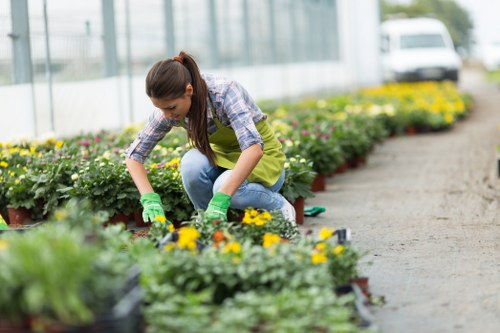 Gardening Stratford is committed to creating an eco-friendly waste disposal area and a truly sustainable rubbish gardening area where green waste, potting media and reusable materials are given new life. We balance practical site management with ambitious environmental goals, building a local recycling and circular approach that supports soil health, reduces landfill and lowers carbon emissions from garden services.
Our operational target is clear: within three years we aim to reach a 75% recycling rate across all gardening operations, measured by weight at point of transfer. That recycling percentage target covers green waste, wood, recyclable plastics (such as plant pots where accepted), metals and clean mixed inert materials. To reach this we use segregated skips, on-site pre-sorting, dedicated compost streams and a policy of repair, reuse and donation for functional equipment.
 The boroughs' approach to waste separation informs our methods: many local councils run separate collections for green waste, food waste and dry recyclables, so our site sorting mirrors that split to ensure easy onward processing. We frequently make deliveries to local transfer stations and civic amenity sites, and our practices are designed to align with kerbside separation rules so material can be accepted without contamination.
Designing an eco-friendly waste disposal area
On every contract we map an area designated for waste processing: clean wood is separated for chipping, soft green trimmings for composting, soil and turf for remediation, and mixed items for recycling. Bins are clearly labelled and our crews are trained to spot contamination — a single bucket of non-recyclable waste can compromise an entire load. The result is fewer skips to landfill and more feedstock for local composting facilities.
Partnerships and reuse
We partner with local charities and community groups to extend the life of useful items: surplus pots, tools in good condition, timber offcuts and plant stock are offered to community allotments, social enterprises and repair networks. These partnerships include local food banks that accept surplus edible produce from community garden projects and charities that refurbish tools for training programmes. Key activities include:- Donation of reusable plastic planters and pots to community groups
- Supplying mulch and compost to local urban farms
- Working with furniture and timber charities to convert offcuts into community benches
These reuse streams are central to a sustainable rubbish gardening area, keeping resources in use and preventing unnecessary processing and transport emissions. Strong collaboration with local non-profits amplifies both environmental and social benefits.
Low-carbon logistics and site practices
Operations rely on low-impact transport: our fleet includes low-carbon vans — a mix of electric vehicles and highly efficient hybrids — and we implement route optimisation software to minimise mileage. Waste loads are consolidated before journeys to transfer stations, reducing trip frequency and emissions. Where electric vehicles cannot yet serve heavier loads, we use Euro 6 engines and low-carbon biofuels as interim solutions.At the heart of our eco-friendly waste disposal area is practical material recovery: wood chipping is reused as mulch or biomass feedstock, green waste becomes structured compost for soil building, and clean inert materials are crushed and returned to landscaping projects. We also run seasonal campaigns to recover Christmas tree material and invasive plant species responsibly.
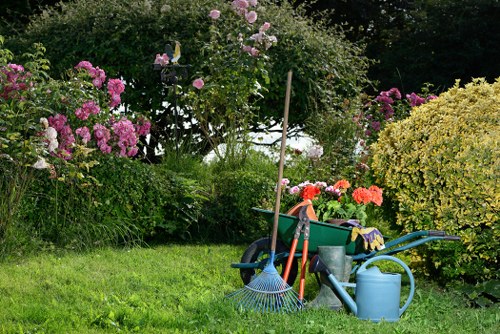 Local transfer stations and civic amenity sites are essential partners: they accept sorted streams and offer bulking services for composting facilities. We schedule deliveries to these transfer points during off-peak hours to reduce congestion and ensure fast turnaround. By using nearby transfer hubs we keep transport footprints small and support local circular processing infrastructure.
 Measurement and transparency are part of our sustainability framework. We record the tonnage of each material stream and publish annual progress against the recycling percentage target. Continuous improvement is driven by monthly site audits, crew training refreshers and collaboration with borough waste planners so our site protocols reflect evolving local waste separation rules and best practice.
Practical actions you’ll see on site
Our field teams deliver visible, tangible steps toward a greener service:- Segregated collection points for wood, green waste, soil, metal and plastics
- Use of chipped wood and compost in place of peat-based products
- Recycling of hard landscaping materials where feasible
- Donation routes for reusable items and safe disposal for hazardous small items
Gardening Stratford’s approach to garden recycling and sustainability ensures that everyday maintenance becomes part of a larger ecological solution. By focusing on separation at source, partnering with charities, working through local transfer stations and reducing transport emissions with low-carbon vans, we create an eco-friendly waste disposal area that is replicable and resilient.
We invite clients and site managers to embrace these measures: a little pre-sorting and a focus on reuse can transform a routine clearance into a resource recovery project. Together we can make the sustainable rubbish gardening area a standard for local green space stewardship, protecting soil, lowering emissions and keeping materials in productive use for longer.